Tennis between the points: a closer look
There is more to watch than spectacular shots. Quieter moments shape a match’s story too.
About the editorial teamEditorial standardsSuggest a correction
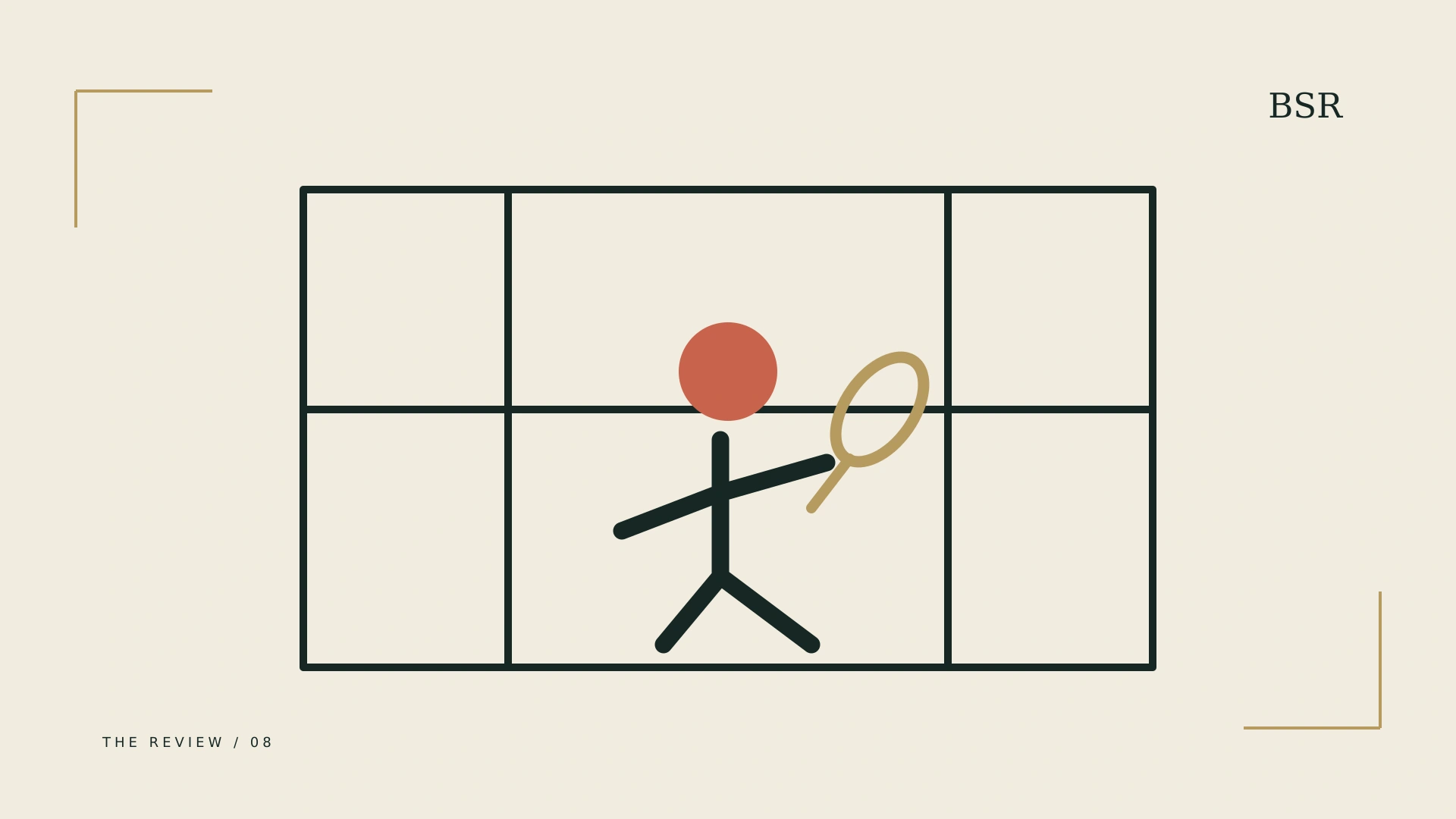
One of the simplest experiments in watching tennis is to stop following only the ball for a few rallies. Notice what happens when a point ends: how a player turns away, how they approach the next situation and the space they create around themselves.
Observation is not mind-reading
A gesture does not tell us with certainty what an athlete feels. A clenched hand, a glance away or a brief hesitation may be an interesting visual detail, but none proves fear, confidence or injury on its own. Good spectatorship and good journalism part company with guesswork at the same point.
We can describe what is visible. What is happening inside a player’s head is something to ask them about.
Look for repetition
Follow patterns rather than one isolated moment. Does the rhythm change after a longer game? Does preparation look the same when a player is ahead and when they are trying to recover? A difference can provide a worthwhile question for a later interview.
This attention does not make the score less important. It builds a story around it. Alongside the final numbers, there can be a small detail that was genuinely observed.
Leave room for the athlete
Close-up images reveal a great deal, but they are not complete access to someone’s inner life. For BSR, that is part of tennis’s appeal: beside the visible game is a person who can be asked. Curiosity belongs between the two, rather than a ready-made explanation.